


For someone who yaps a lot about presence, I’m surprisingly uncomfortable with it.
In a previous post, I wrote that the in-between isn’t a pit stop. That I probably shouldn’t sprint through the ordinary parts of my life as if they’re just the hallway to somewhere better.
So I decided to test it. And for the past week, I stopped trying to optimize the in-between and just…be there.
It shouldn’t be a surprise that things took longer.
Monday is laundry day. Normally, I barrel through it in between work calls. Wash, dry, fold, finito. As I write this, two days later, it’s still sitting in a half-folded pile behind me on the guest bed. Also, the house is a little less tidy. I haven’t been meal prepping while vacuuming and taking out the recycling. I did one thing at a time.
And every time I felt the urge to speed it up, I had to bring myself back. It actually reminded me of meditation.
In my practice, the goal isn’t to eliminate wandering thoughts. It’s to notice when your mind drifts and gently return to your breath. Again and again. The returning is the work.
This felt similar. I would notice the impulse to multitask, to shave off minutes, to get ahead. Then I would consciously slow my roll and bring my attention back to what was in front of me.
One. Task. At. A. Time.
Le sigh.
It was harder than I expected. Because I realize I have a forward-leaning center of mass, at least when it comes to daily life. I like to get shit done. I would rather do it now than tomorrow.
But when it comes to the larger questions, I suddenly have all the time in the world. Where do I want to live? Am I all in on not having kids, or is that quietly shifting? Those can simmer for years.
To-do list? Immediate.
Life direction? I’ma get back to you in 2030.
When I slowed the small things down, something inverted. The ordinariness of chores created space. Yeah, I felt the warmth of the metal cutlery as I put away freshly dried dishes. Sure, I also breathed in the earthy sweetness of cocoa butter when I moisturized. I let the moment be the moment instead of a bridge to the next one.
But in that quiet, other thoughts surfaced.
What do I want to build with my writing?
What does it mean that my parents are moving slower now, more gray threading through their hair?
If I don’t have kids, what shape does legacy take for me?
When I stopped stacking activities, I couldn’t dismiss those questions as easily. I didn’t have a a podcast episode filling every silence. There was no breathwork practice layered over chores layered over responding to texts. Just space to contend and think about things more deeply.
From what I understand, this is when the brain’s default mode network comes online, which are the parts of our brains responsible for meaning-making. That system connects dots and wanders into bigger questions when we aren’t actively consuming or performing.
I’ll bet that, subconsciously, that’s why it’s so tempting for me to hover at max capacity. Speed gives the impression of progress. I’m moving, so clearly I must be advancing. But you can run very fast without ever asking where you’re headed. Busyness can definitely function as avoidance.
The takeaway here isn’t that slow(er?) living is superior. I’m not trying to live my best monk life. Not yet. I still like efficiency. One of my favorite drugs is crossing things off. What this experiment showed me is that speed shouldn’t be automatic. Many of us are culturally conditioned toward acceleration. I certainly am. I mean I’m a kid of capitalism, brought up by two born-and-raised New Yorkers. There will probably always be a slight forward tilt in me. Chuck in AI, productivity culture, and constant innovation, and the pressure to keep up feels justified. I’ll admit, exciting even.
But who decides the direction we’re accelerating toward? And have we actually agreed to it?
The deeper shift for me wasn’t about becoming slower. It was learning that I need to become more adept at modulating. There are moments that demand speed. Deadlines. Emergencies. Creative surges. And then there are seasons that demand something else entirely.
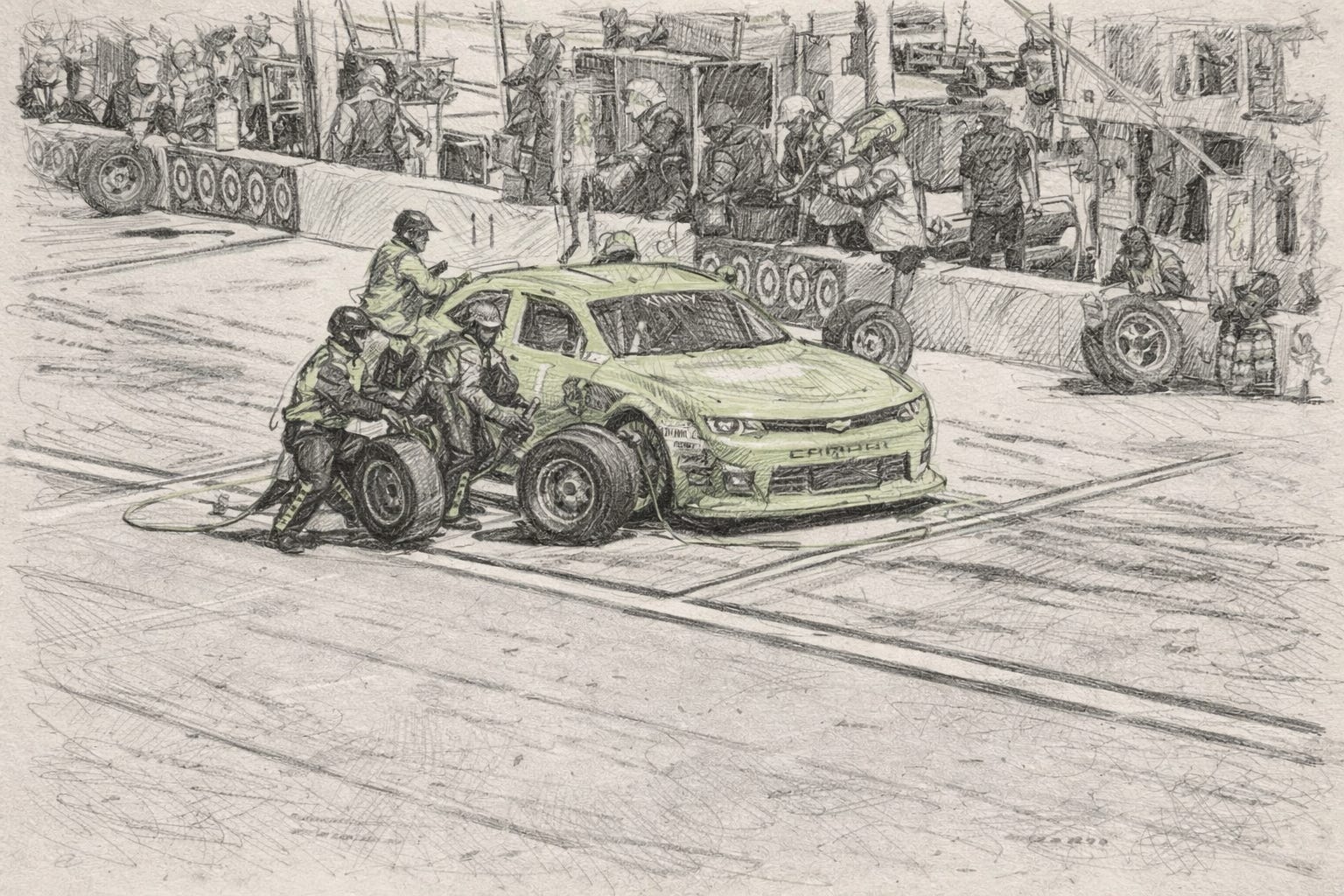
I was wrong in my previous post. The in between is a pit stop. But it’s a proper one you have to pull into, so you can stretch your legs and check the map. Ask why you’re driving in this direction at all, and double check you’re not flooring it out of habit.
The bigger questions are already waiting for us.
We just have to ease off the gas long enough to hear them.

I had to physically sit upright to reply to this. WOW!! This was well worth the wait. There were so many lines I just adored: "the returning is the work" "forward-leaning center of mass" "speed gives the impression of progress" all of which are now entering my internal lexicon. I related to a lot of what you wrote and thought about how I've been trying to notice and regulate myself when I start to show signs of dysregulation (autistic) and I found that I was needing to regulate at the strangest times (all the time). I started myself peeling my eggs slower, brushing my teeth slower. And then like you wrote, the space it leaves to think about the things weighed down by meaning and desire; it's like we have no choice but to live in the questions rather than the immediate answers. Great insight! Never stop writing.