


Every time I sit down to write, there’s a small test.
It doesn’t matter if I’m excited about the idea, or if I’ve been mulling it over all day. The moment I sit down, suddenly there are a dozen other things that feel urgent.
I should probably check my email. And I definitely need to research that one idea a little more before I start. Also, the dishes could use doing. My brain becomes incredibly productive the moment writing is involved.
For a long time, I thought this meant something was wrong. If writing was really “my thing,” shouldn’t it feel easier to begin? Shouldn’t the words just kinda…show up?
But over the years I’ve realized the resistance is just part of the ritual.
Writing, at least for me, asks for a kind of devotion. Before the words come, I have to prove I’m willing to sit there anyway. I have to choose focus and ignore all the little escape hatches my mind keeps offering.
I know this sounds a little woo-woo, but I’ve always imagined there is a writing god somewhere who demands a small offering of attention before the connection opens. And if mystical notions aren’t your thing, you can think of it more simply: writing requires you to cross a threshold.
You have to arrive.
Understanding this has made the process easier. Don’t get me wrong, I still fail sometimes. I still occasionally convince myself that some random item on my to-do list has suddenly become extremely urgent.
A rogue sock on the floor can easily become a project to change all the air filters in the house somehow. But giving in to those moments happens less often now. I recognize the pattern. And as a dedicated lay worshiper at the altar, I know there’s always a moment of friction before the work begins. If I sit through it long enough, something eventually shifts. I fall into whatever it is I’m writing about.
And the best thing? Minutes melt away.
Because there is a beautiful reward waiting on the other side: writing introduces you to yourself.
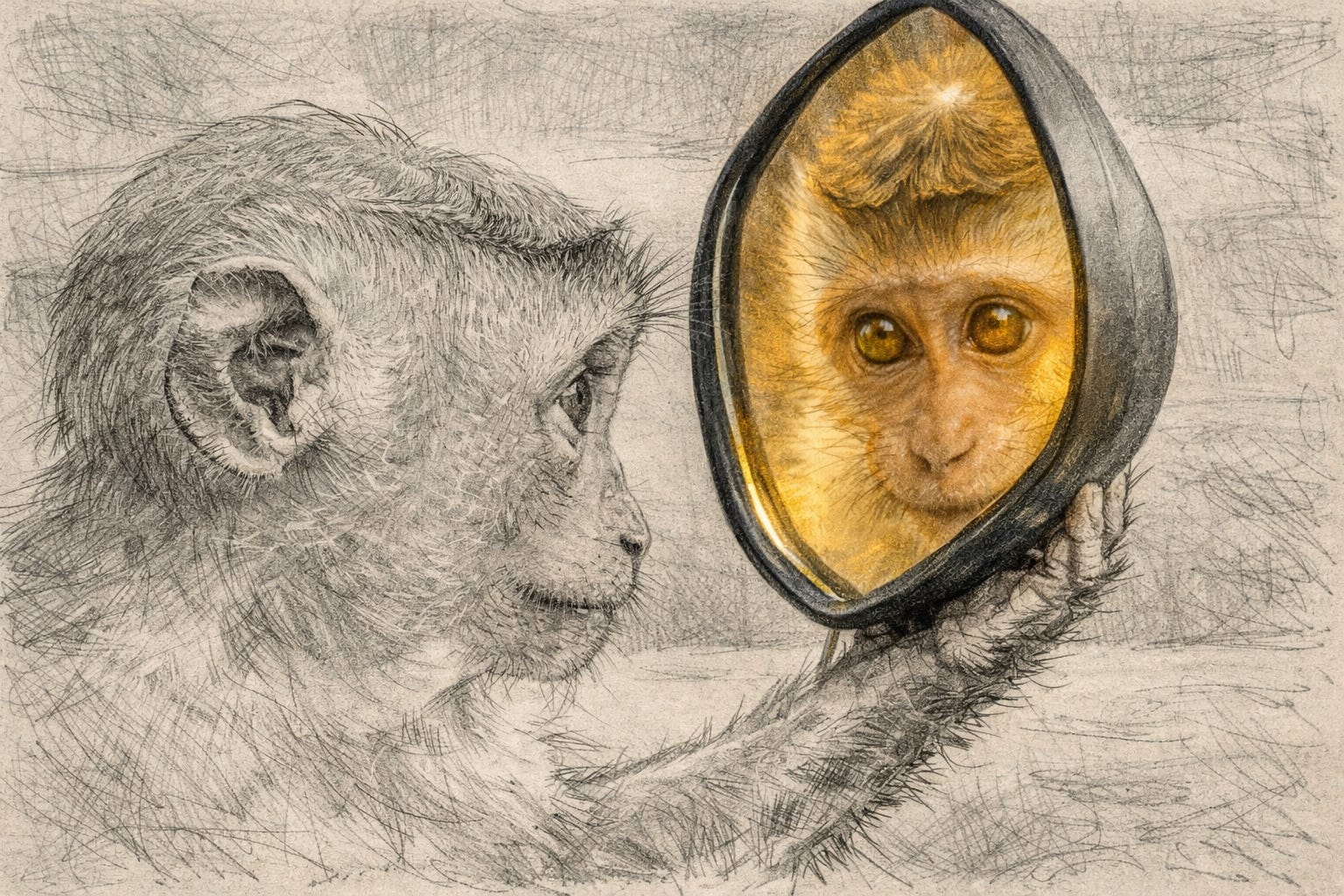
When you sit with a thought long enough to articulate it clearly, you begin to understand what you actually believe. Writing becomes a mirror. Ideas you thought were simple turn out to be complicated and nuanced. Feelings you couldn’t quite name suddenly become visible. You start discovering connections between things you didn’t even realize your mind was holding.
And slowly, piece by piece, you begin to recognize your own voice.
That’s why I think it takes a long time to become a good writer. The craft can be picked up relatively quickly. Learning yourself, however, takes longer than you think.
What are your instincts?
Your obsessions?
What patterns keep appearing in the way you see the world?
You try different advice, different techniques, different rhythms, slowly shaping the writing self you’re becoming. A lot of things won’t stick. Eventually, though, the work starts to carry your fingerprint.
The other thing this introduction to myself has taught me is trust.
My writing process is more organic, which means it’s rare that I know exactly where a piece is going when I begin. Earlier in my life, that uncertainty made me nervous. Now it feels normal.
I know that if I stay with the material long enough—if I keep shaping it, turning it over, coming back to it from different angles—eventually the piece reveals its structure. That confidence only came from repetition. I passed the test enough times to realize the process works.
So if you’re somewhere on the writing path, whether you’re just starting or many years in, keep going.
The small act of sitting down anyway is where the magic begins. And over time, if you get decent enough attendance, writing will give you something back.
A clearer understanding of who you are.

Love this!